
Understanding ICF Forms: Types, Uses in Residential Framing, and R-Value Benefits
12/16/20252 min read
What are ICF Forms?
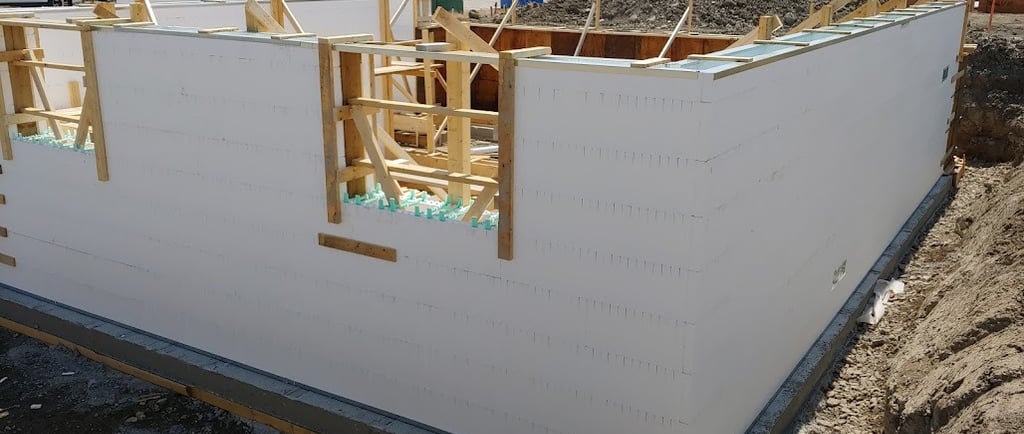
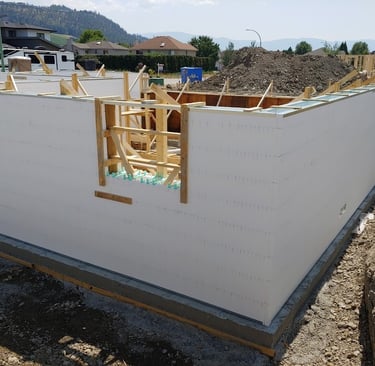
Insulated Concrete Forms (ICF) are specialized forms used to create walls and structures in residential construction. These forms provide an efficient and effective way to build homes and other buildings. ICF forms consist of expanded polystyrene (EPS) blocks or panels that are stacked and filled with concrete to create a continuous layer of insulation and structural support. The innovative design not only streamlines the construction process but also enhances the energy efficiency of homes.
Types of ICF Forms
ICF forms come in various types, each designed to meet specific construction needs. The most common ICF forms include:
- Block ICF: These are interlocking blocks that are easy to handle and require minimal labor.
- Panel ICF: Flat panels that are often used for larger projects to reduce construction time.
- Specialty ICF: Designed for particular applications, such as curved walls or unique architectural features.
Each type of ICF offers unique advantages in terms of installation, insulation properties, and structural integrity, making it essential for builders to choose the best option for their particular project.
The Value of ICF in Residential Framing
Utilizing ICF forms in residential framing results in several notable benefits, particularly in terms of energy efficiency and durability. With an R-value significantly higher than that of conventional framing methods, ICF walls provide excellent thermal insulation. An increased R-value means that homes maintain a consistent temperature without excessive heating or cooling, leading to lower energy bills and a smaller carbon footprint.
In contrast to traditional wood framing, which can be subject to issues such as rot, among other problems, ICFs are resistant to moisture, pests, and mold. This resilience contributes to a longer lifespan for the structures built with ICF forms, which ultimately benefits homeowners and builders alike.
Furthermore, the insulating properties of ICF forms play a crucial role in reducing noise pollution, creating a more comfortable living environment. Homes framed with ICF can better mitigate sound transmission, which is particularly advantageous in urban or high-density areas.
Conclusion: The Future of Residential Construction
As the demand for sustainable and energy-efficient building practices grows, ICF forms are quickly becoming a popular choice among builders and homeowners. Their exceptional R-value, versatility in design, and superior resistance to environmental threats make them an attractive alternative to conventional framing methods. Couples these benefits with their ease of installation, it is clear why ICF forms are the future of residential construction.
Quality
Leading framing services in Vancouver and beyond.
Reliable
Expertise
contact@silvercityframing.com
1-604-724-0000
© 2024. All rights reserved.